Asylum Mental Health Evaluations
Discussing experiences of harm with attention to how they affect life now.
The Asylum Request
What the Appointment Addresses
An attorney may request an asylum mental health evaluation to understand the effects of experiences of harm. This is a clinical assessment, not a decision about an asylum request. The conversation centers on relevant experiences, current concerns, and the ways mental health has been affected. Your attorney explains which circumstances they want considered for your matter.
Effects in the Present
Looking at Everyday Life After Harm
It may be difficult to connect a past experience with what you notice today. Sleep, attention, relationships, and reactions to reminders can be useful starting points for the conversation. Describe what you experience in your own language. You do not have to decide that a particular diagnosis explains those changes before attending the clinical appointment.
- Sleep and waking routines
- Concentration during ordinary tasks
- Responses to reminders of harm
- Changes in trust or social contact
Careful Conversation
Discussing Difficult Memories at a Considered Pace
A question about harm may be harder to answer than a question about your current routine. Let your therapist know when you need clarification or want to ask about a pause. You can raise concerns about discussing memories at the beginning of the appointment. The clinical conversation is not a request to present a perfectly ordered version of your history.
Evaluations
Our Clinical Immigration Evaluations
Our immigration evaluations are conducted by a California Licensed Marriage and Family Therapist with experience in trauma, anxiety, depression, and relationship issues. Evaluations are available in English or Spanish, so you can discuss these personal experiences in either language.
Meet our teamMeeting Arrangements
Brentwood and California Video Options
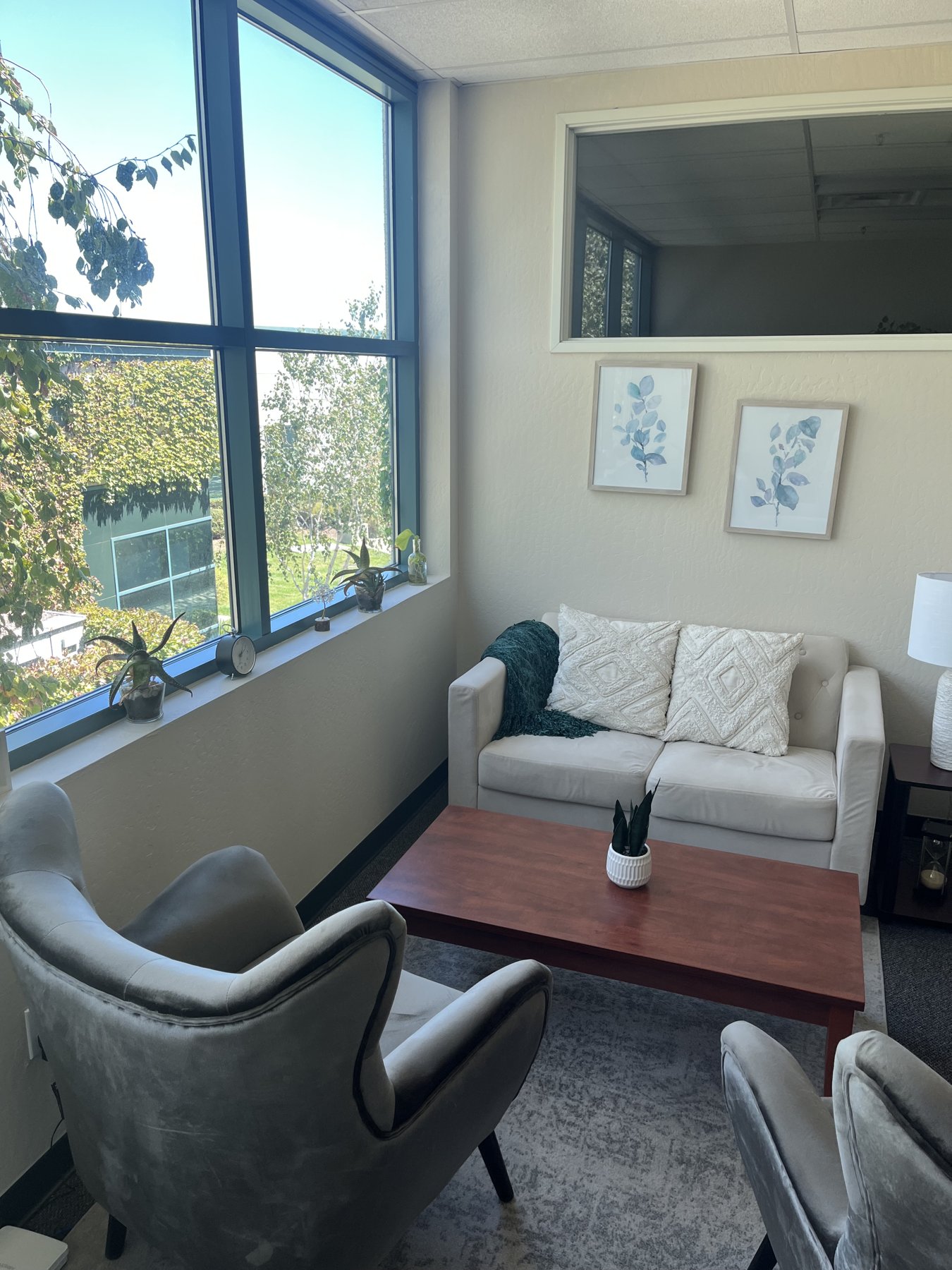
You can attend in person at 191 Sand Creek Road, Suite 230, Brentwood, CA 94513, or use video while physically located in California. Most immigration evaluations take 2 to 3 hours. For video, check your device and choose a location where others cannot hear sensitive material. Mention any questions about the setting when arranging the appointment.
Getting Ready
Materials and Questions to Bring
The preparation page lists photo ID, your attorney's contact details, and documents requested for the evaluation. Ask your attorney what information is relevant instead of trying to collect every record you have. You can also note questions about the clinical process. Keep these notes for the appointment rather than sending personal accounts of harm in an initial email.
Limits of the Assessment
Clinical Information Is Separate from Legal Advice
We do not provide legal representation or legal advice. Your immigration attorney determines legal eligibility. Questions about how an asylum matter is filed or reviewed should go to the attorney responsible for it. The practice addresses mental health effects, not immigration decisions. An evaluation does not promise a particular response from any person reviewing the legal matter or establish what that response will be.
Making Contact
A Brief Message About Your Request
Call (925) 331-0457 to ask about an asylum evaluation, or send a general inquiry to info@heartnmindcounseling.com. Share that your attorney requested this evaluation type and state a language preference. Leave clinical history and accounts of harm out of email. Ask your scheduling questions before making plans for an appointment, including any concerns about privacy during a video conversation.
Common Questions
Do I Need to Use Clinical Terms?
Use ordinary words to describe experiences and their effects. You can ask for clarification when a question is unfamiliar.
Can I Discuss the Evaluation in Spanish?
Your therapist conducts immigration assessments in Spanish as well as English. Mention your preference when contacting the practice.
Where Should I Ask Questions About My Asylum Filing?
Questions about filings and legal requirements belong with your immigration attorney, not the clinical evaluator.