NOW ACCEPTING NEW CLIENTS
191 Sand Creek Road, Suite 230, Brentwood, CA 94513
(925) 331-0457
NOW ACCEPTING NEW CLIENTS

January Mindfulness: Starting the Year With Intention, Not Pressure
January often arrives with a mix of hope and pressure. New Year’s resolutions, fresh starts, and expectations to “do better” can feel motivating for some—but overwhelming for many. After the emotional, financial, and social demands of the holidays, it’s common to enter the new year feeling mentally fatigued rather than energized.
This is where mindfulness can offer a gentler, more sustainable way to begin the year.
What Is Mindfulness?
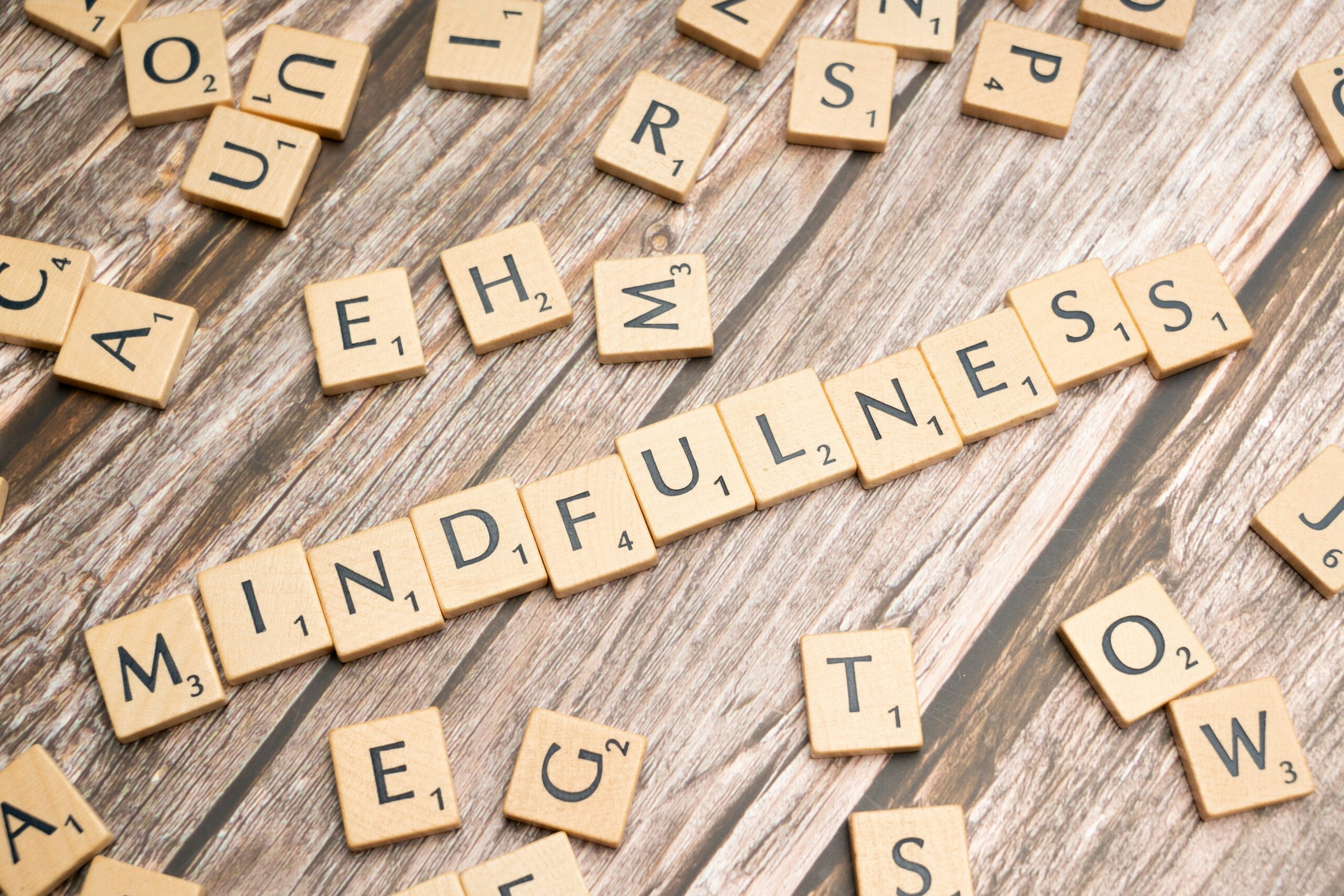
Mindfulness is the practice of paying attention to the present moment with curiosity and without judgment. It doesn’t require perfection, silence, or long meditation sessions. Instead, mindfulness invites awareness of thoughts, emotions, and bodily sensations as they are—right now.
In January, mindfulness helps shift the focus from “fixing yourself” to “listening to yourself”.
Why January Is the Perfect Time for Mindfulness
Rather than pushing for immediate change, January is an ideal time to slow down and reflect. Mindfulness supports:
* Emotional reset after the holidays
* Reduced anxiety around goals and expectations
* Greater clarity about personal needs and values
* Improved stress regulation during seasonal transitions
Mindfulness allows growth without pressure—meeting yourself where you are instead of where you think you “should” be.
Letting Go of the “New Year, New You” Mindset
The idea that January requires a complete reinvention can increase shame, burnout, and self-criticism. Mindfulness offers an alternative:
“New year, same human—learning to respond with more compassion.”
You don’t need to become someone new. You can simply become more present.
Simple Mindfulness Practices to Start in January
You don’t need extra time or special tools. Try these gentle practices:
1. Mindful Mornings
Before checking your phone, take three slow breaths and ask yourself: *What do I need today?*
2. Body Awareness Check-Ins
Pause once or twice a day to notice physical sensations—tension, warmth, or fatigue—without judgment.
3. Mindful Transitions
Practice mindfulness during everyday moments like driving, showering, or drinking coffee by focusing fully on the experience.
4. Compassionate Self-Talk
Notice how you speak to yourself when goals feel hard. Replace criticism with curiosity.
Mindfulness Is a Practice, Not a Performance
Mindfulness doesn’t mean feeling calm all the time. It means noticing what’s present—stress, grief, hope, or uncertainty—and responding with awareness rather than avoidance.
January is not a deadline. It’s an invitation.
Starting the Year With Support
If anxiety, stress, or emotional exhaustion feel heavy as the year begins, therapy can help you build mindfulness skills, emotional regulation, and self-compassion.
At Heart’N Mind Counseling, we support individuals and families in cultivating emotional wellness through mindfulness-based and compassionate care.
Ready to start the year with intention and support?
🌐 Visit us: www.heartnmindcounseling.com, http://www.heartnmindcounseling.com
📲 Follow us on Instagram: @heartnmind_counseling
# mindfulness in January, #mental health in the new year, #mindfulness therapy California, #stress management January, #mindfulness counseling, #emotional wellness new year
—
Atención Plena en Enero: Comenzar el Año con Intención, No con Presión
Enero suele llegar con una mezcla de esperanza y presión. Los propósitos de Año Nuevo y la idea de empezar de nuevo pueden ser motivadores, pero también abrumadores. Después de las exigencias emocionales, financieras y sociales de las fiestas, muchas personas comienzan el año sintiéndose cansadas mentalmente.
Aquí es donde la “atención plena (mindfulness)” puede ofrecer una forma más amable y sostenible de iniciar el año.
¿Qué es la Atención Plena?
La atención plena es la práctica de prestar atención al momento presente con curiosidad y sin juzgar. No requiere perfección ni largas meditaciones. Se trata de observar pensamientos, emociones y sensaciones físicas tal como son.
En enero, la atención plena nos ayuda a pasar de la idea de “arreglarnos” a la de “escucharnos”.
¿Por Qué Practicar Atención Plena en Enero?
En lugar de exigir cambios inmediatos, enero es un momento ideal para reflexionar y reconectar. La atención plena ayuda a:
* Regular el estrés después de las fiestas
* Reducir la ansiedad relacionada con metas y expectativas
* Clarificar necesidades emocionales
* Fomentar el autocuidado y la compasión
“Soltar la Mentalidad de “Año Nuevo, Persona Nueva”
La presión por reinventarse puede generar culpa y agotamiento. La atención plena nos invita a una alternativa:
“Nuevo año, mismo ser humano—aprendiendo a responder con más compasión.”
No necesitas ser alguien diferente. Solo necesitas estar presente.
Prácticas Simples de Atención Plena para Enero
1. Mañanas Conscientes
Antes de mirar tu teléfono, respira profundamente tres veces y pregúntate: *¿Qué necesito hoy?*
2. Escaneo Corporal
Haz pausas durante el día para notar sensaciones físicas sin juzgarlas.
3. Transiciones Conscientes
Practica atención plena durante actividades cotidianas como manejar, ducharte o tomar café.
4. Lenguaje Interno Compasivo
Observa cómo te hablas a ti mismo y practica reemplazar la crítica por comprensión.
La Atención Plena Es una Práctica, No una Meta
No se trata de sentir calma todo el tiempo, sino de notar lo que está presente y responder con conciencia.
Enero no es una fecha límite. Es una invitación.
Comienza el Año con Apoyo
Si el estrés, la ansiedad o el cansancio emocional están presentes al iniciar el año, la terapia puede ayudarte a desarrollar herramientas de atención plena y bienestar emocional.
En Heart’N Mind Counseling, ofrecemos apoyo compasivo para ayudarte a comenzar el año con intención y equilibrio.
Da el primer paso hacia tu bienestar emocional.
🌐 Visítanos: **[www.heartnmindcounseling.com](http://www.heartnmindcounseling.com)**
📲 Instagram: **@heartnmind_counseling**
January 19, 2026
Leave a Reply Cancel reply
Schedule a Consultation
191 Sand Creek Road, Suite 230, Brentwood, CA 94513
Book Now
info@heartnmindcounseling.com

You have the right to receive a Good Faith Estimate of what your services may cost.

Be the first to comment